
Understanding the Vatnajökull glacier
The Vatnajökull glacier is a temperate ice cap with ice domes and outlet glaciers extending into surrounding valleys. The visible tongue between mountains is part of that larger body of ice. It gives a close view of the landscape without revealing the whole ice cap, and its accessibility from land should not be confused with safe access onto the glacier.
The national park's glacier description gives an area of around 7,500 square kilometres for 2023. That is a historical measurement reference, rather than a current survey. Its description as Europe's largest glacier refers to volume. For visitors, the useful question is which outlet and starting point fit the journey, rather than which size ranking to attach to the view.
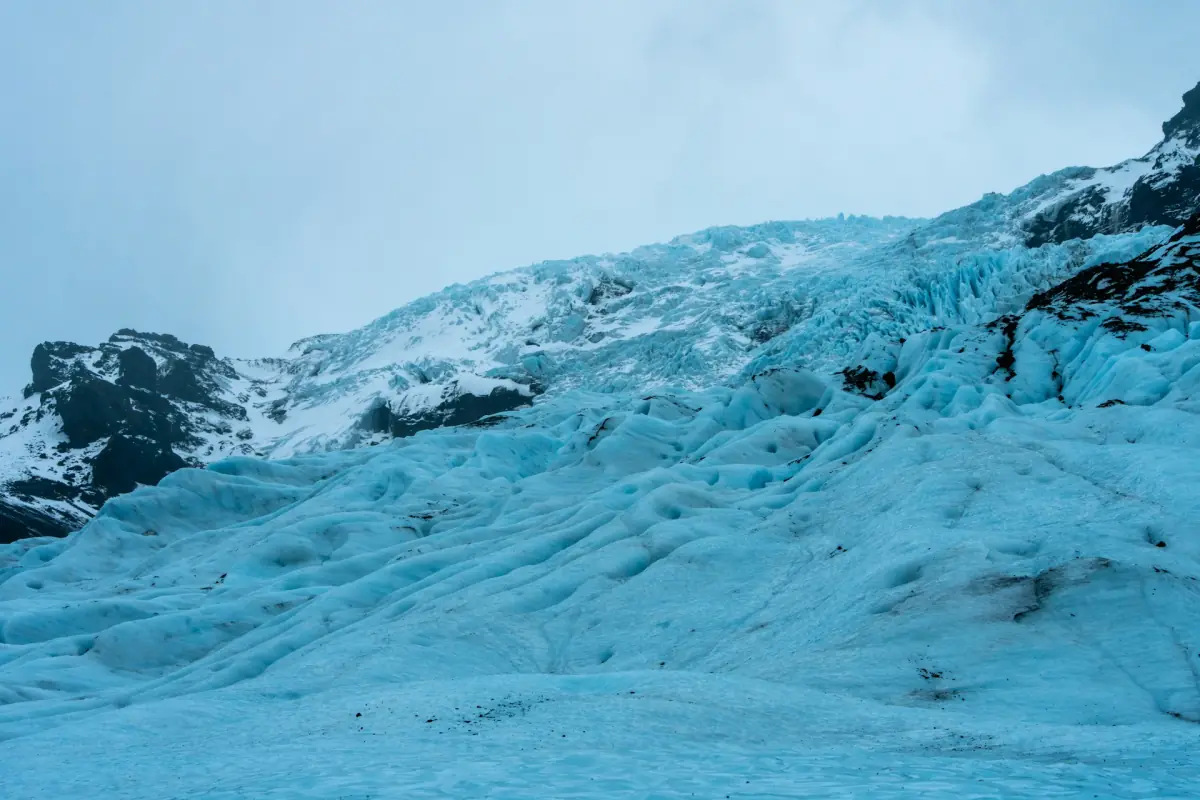
Our picks: glacier walks
Our take: The Freysnes trips include local 4x4 transport and glacier gear. The Falljökull walk starts at Skaftafell and includes a certified guide.
Hand-picked tours, booked through GetYourGuide and Viator. Prices are indicative starting prices in euros (as of October 2026). Tap a tour for live availability and the current price in your currency.
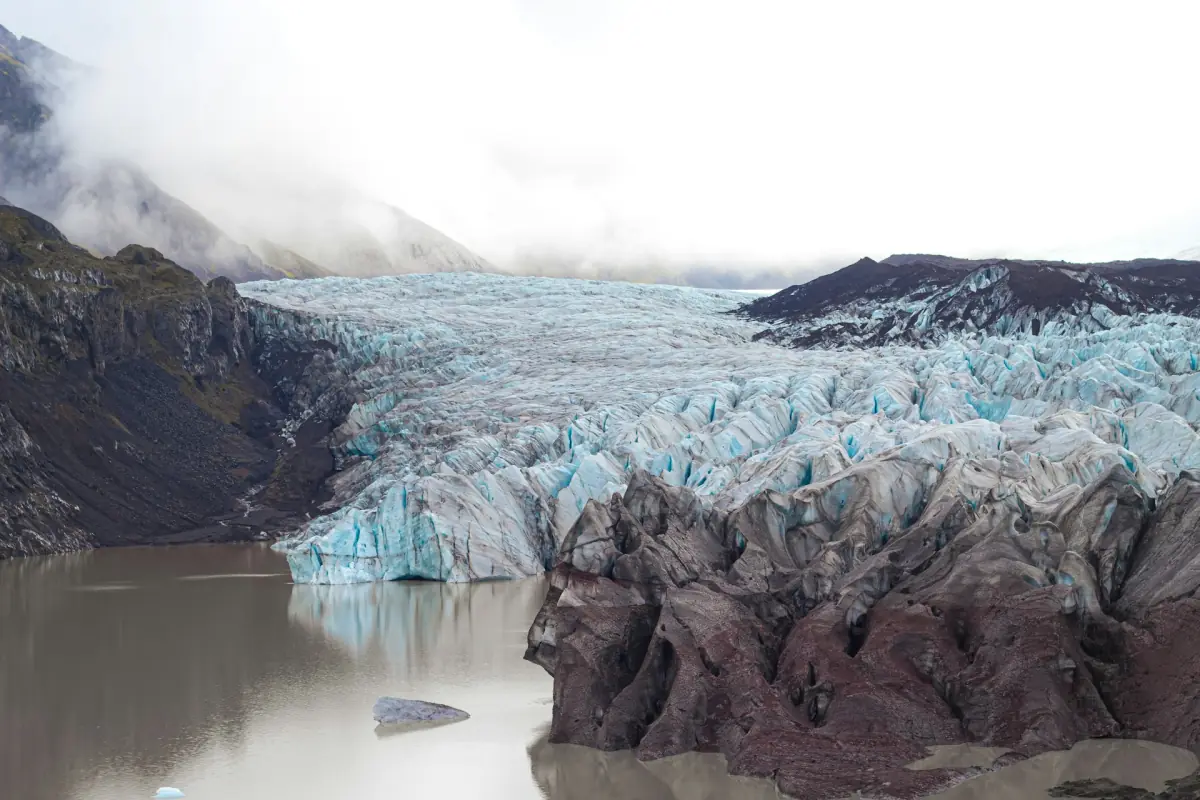
Guided glacier walk from Freysnes
- Professional glacier guide
- Crampons, ice-axe, harness, helmet
- 4x4 ride to glacier
Suitable ankle-supporting hiking boots are required; without them participation may be refused.
Check availability →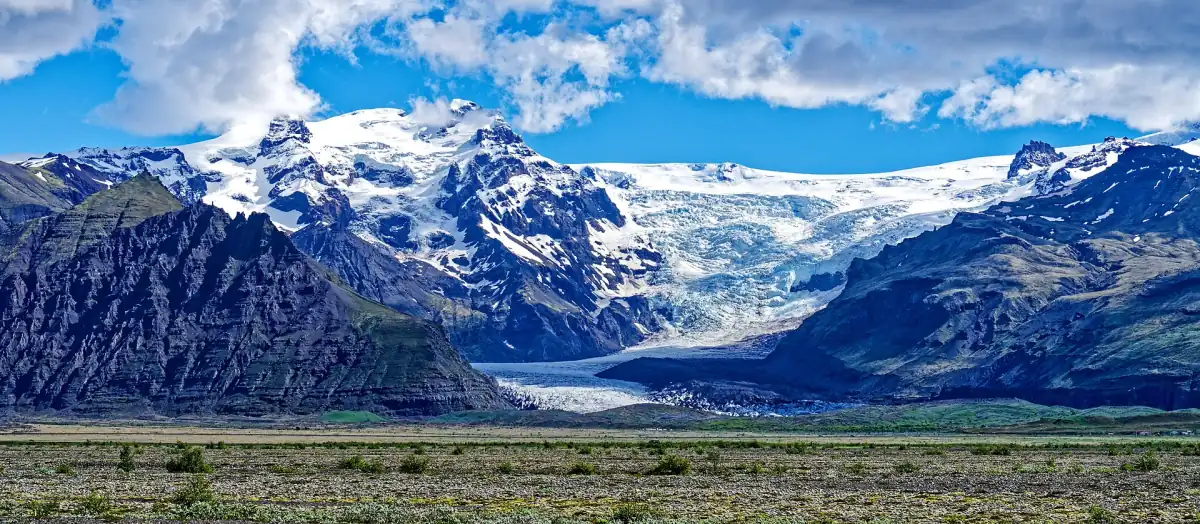
Guided Falljökull glacier walk
- Certified glacier guide
- Professional glacier gear
- 4x4 bus transport
The guided walk takes place on Falljökull.
Check availability →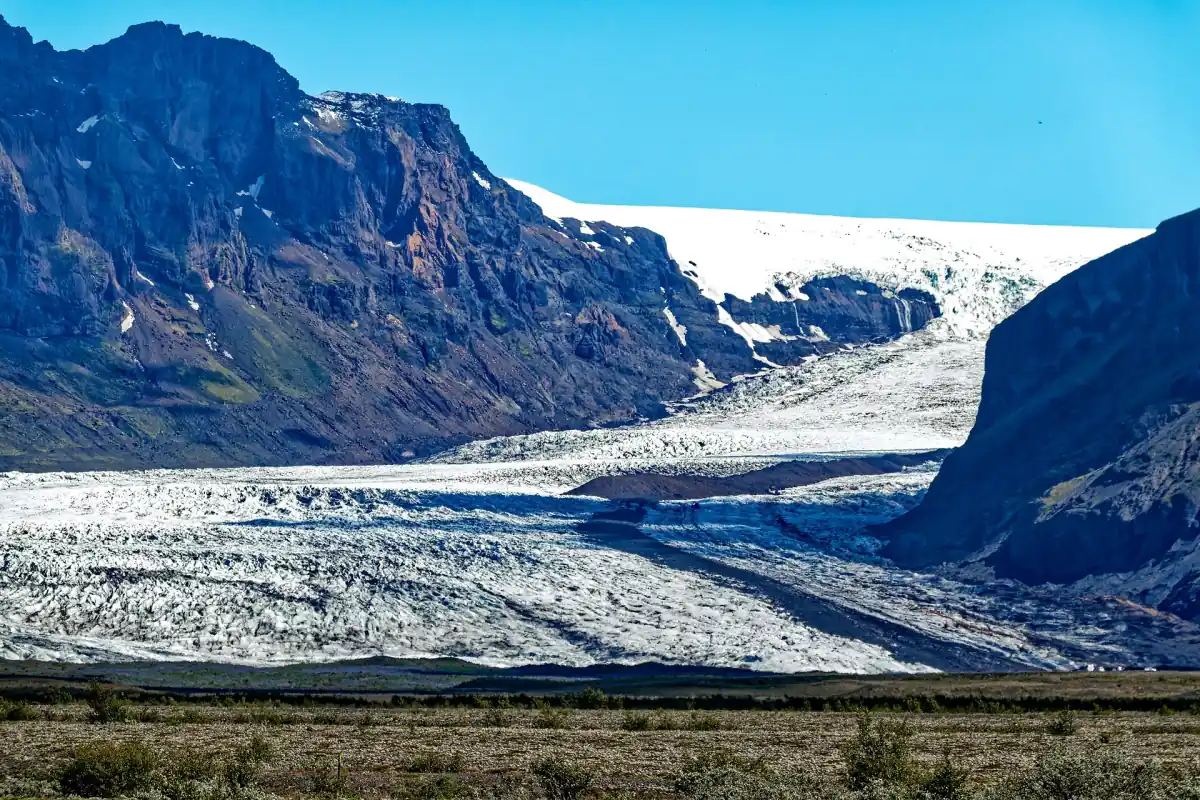
Glacier outing from Freysnes
- Local and professional glacier guide
- Crampons, helmet, harness and ice axe
- 4x4 transfer from Freysnes
The tour is carbon neutralised.
Check availability →Guided ways to experience the glacier
A shorter Freysnes outing, a four-hour glacier format and a guided Falljökull visit offer different ways to build an ice experience into a southern journey.
Local glacier visits from Freysnes and Skaftafell
The three-hour glacier encounter starts at Freysnes and includes a local professional glacier guide, crampons, helmet, harness, ice axe and a 4x4 transfer from the meeting point. Hotel collection and food are excluded. The time describes the whole tour, so allow for the transfer and preparation as well as walking. It is a useful distinction when arranging another stop later that day.
The four-hour glacier hike also starts at Freysnes, with a professional guide, glacier safety equipment and a 4x4 ride. Ankle-supporting hiking boots are required, and participation may be refused if footwear is unsuitable. Possible boot rental should not replace bringing appropriate footwear. The guided Falljökull outing from Skaftafell includes a certified guide, professional glacier equipment and a local 4x4 bus transfer to the glacier's foot.
Choose a format around its actual departure point and overall length. Transfer inclusion refers to the local glacier approach described for the outing, not your journey across Iceland. For the practical sequence of arrival, clothing and equipment, continue to the glacier hike planning page. The getting there guide covers the separate road journey to the southern bases.
Ice in motion and a changing landscape
The park describes thinning ice and the retreat of southern outlet glaciers. That change affects the relationship between the ice front, surrounding land and water. A photograph records a particular appearance, not a permanent walking route. For a visitor, recognising that the ice is moving matters more than expecting the same formations seen in an older image.
Crevasses, icefalls and difficult glacier weather make an apparently straightforward approach deceptive. Never enter a glacier or ice cave without a certified, locally knowledgeable guide. A guide's assessment and the conditions at the time determine the safe route. Maps and a view from a nearby path cannot replace that judgement or make an ice portal safe to approach.
Volcanic heat beneath the ice
Volcanic and glacial processes are closely connected here. The park identifies active central volcanoes beneath the ice cap, including Grímsvötn, Bárðarbunga, Kverkfjöll and Öræfajökull. Heat and eruptions beneath ice can collect meltwater and trigger glacier floods. This explains part of the surrounding landscape, rather than predicting an eruption or a flood during a visit.
Keep the glacier distinct from the larger protected area when interpreting those processes. The national park guide sets out the different visitor regions, while the volcano overview explains the contrast between subglacial systems and the Laki excursions. A tour of a volcanic landscape and a guided glacier walk offer different perspectives.
Skaftafell and the landward view
Skaftafell brings together land walks, a visitor centre and local glacier departures. Its paths are a way to experience the surroundings; they should not be treated as an invitation to continue onto ice independently. Detailed trail choices and local hiking or climbing comparisons belong with Skaftafell walks and guided glacier activities. Keep the distinction between enjoying an ice view and preparing for an equipped glacier outing.
Fitting an ice visit into the journey
Put the meeting point into the day's route before adding other sightseeing. Freysnes and Skaftafell are distinct departure arrangements, and a reference to Vatnajökull alone is too broad for transport planning. Read the selected option's arrival instructions and leave room for preparation. Warm weatherproof clothing, a hat and gloves belong with the footwear required by the activity.
Check road.is, vedur.is and SafeTravel.is before driving, especially when winter weather and limited daylight affect the approach. Local 4x4 transport belongs to the guided activity and does not make the road journey weatherproof. If the wider itinerary is still flexible, use the seasonal planning guide to match your travel arrangements to the kind of glacier experience you want.
Questions about the glacier
Is Vatnajökull the same as the national park?
The glacier is the ice cap and its outlets. The national park includes a wider range of protected landscapes and visitor areas.
Is 7,500 km² a current glacier measurement?
That figure is the area cited for 2023 in the park's glacier description. It should be read with that date.
Does a four-hour tour mean four hours on ice?
It describes the overall tour format, including the parts needed for transfer and preparation.
Can I visit the ice without a guide?
For safety, enter glaciers and ice caves only with a certified, locally knowledgeable guide. Crevasses, unstable ice and flooding require professional assessment.