
Choosing the best time to visit Vatnajökull
The best time to visit Vatnajökull depends on whether the main aim is a summer glacier walk, a winter ice visit or a land-based national park stop. Start with the activity, then fit accommodation and the road journey around its departure point. A season advertised for one guided outing does not describe every glacier access route. The ice cap, its outlet glaciers and the wider park offer different kinds of visit, so choose a month around the experience that matters most.
Summer walking programmes include departures in May to September, while winter brings weather-dependent ice cave and glacier outings. Treat these as activity seasons rather than a weather promise. For the difference between land viewpoints and stepping onto ice, read the glacier guide. The guided tour overview helps connect the experience to the right starting area without building the trip around a single photograph.
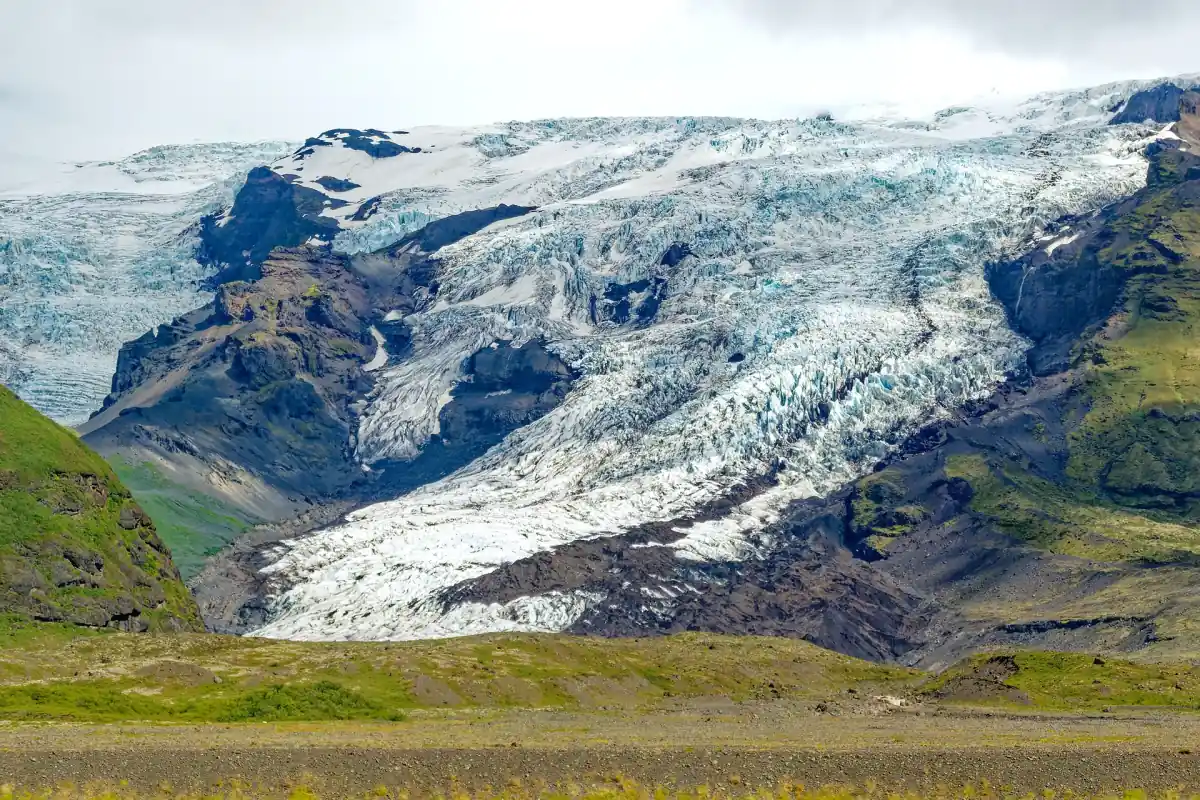
Summer walks and practical clothing
A summer departure still needs warm, weather-appropriate clothing, a hat and gloves. Ankle-supporting hiking boots matter for glacier walking; the exact footwear requirements belong to the selected outing. Safety equipment supplied for an ice activity serves a different purpose from personal clothing. Pack for time outdoors and avoid using the appearance of a green coastal plain as a guide to conditions on the glacier. A short visit to a viewpoint and a guided walk across ice need different preparation.
Allow for the entire outing, including briefing and any local approach, rather than counting only time on the glacier. Freysnes, Vagnsstaðir and Jökulsárlón are separate bases. An accommodation choice that suits one departure may require a different road plan for another. The glacier walking planning page explains this distinction, while the accommodation area guide helps place an overnight stop near the chosen meeting point.
Our pick: guided glacier visit
Our take: This guided Skaftafell departure includes glacier gear for your visit.
Hand-picked tours, booked through GetYourGuide. Prices are indicative starting prices in euros (as of October 2026). Tap a tour for live availability and the current price in your currency.
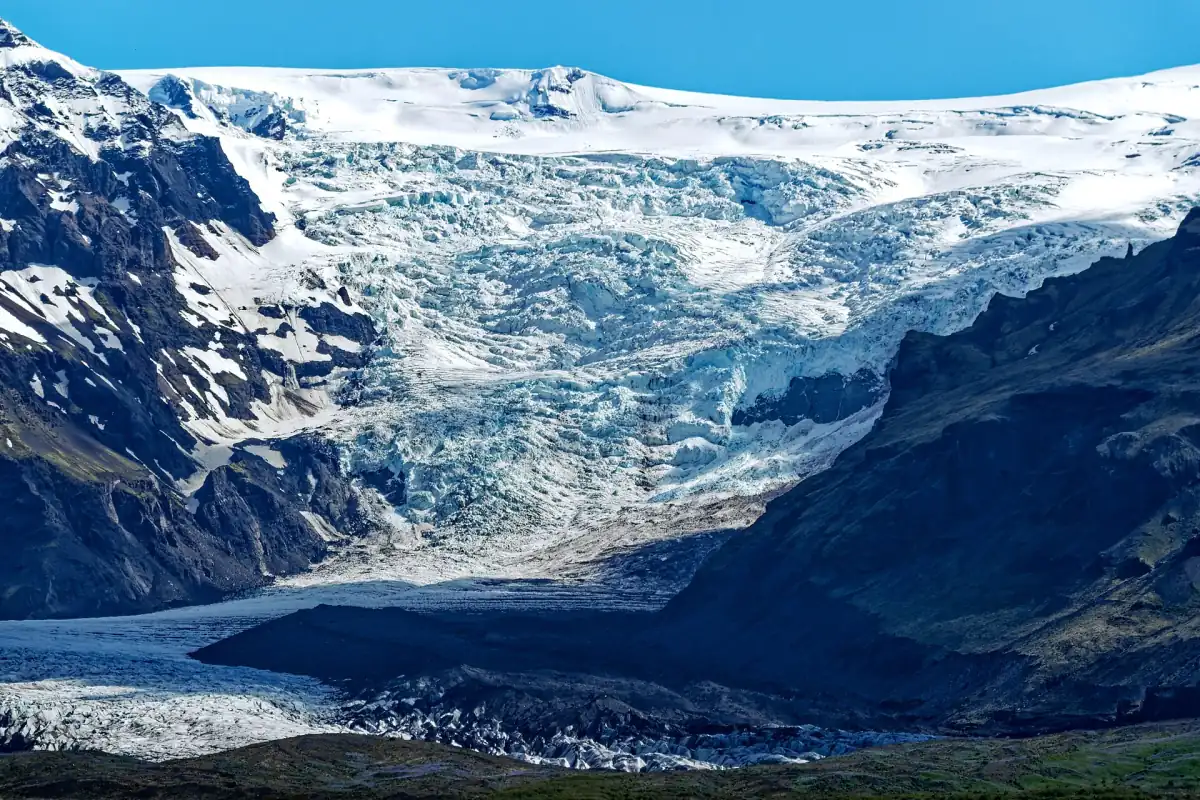
A guided winter glacier visit
A Skaftafell-area cave and glacier outing illustrates a winter visit with a local start and glacier equipment.
Winter and changing ice caves
Winter ice visits depend on conditions and the guide’s safety decision. Caves change, and keep the itinerary flexible around changing openings, shapes and colours. Blue ice is typical of winter photographs, but it is not a promised feature of every visit. A flexible day plan leaves room for a changed route or an alternative land-based visit. Detailed cave planning belongs in Winter ice cave visits and seasonal planning.
The guided winter example on this page combines a cave and glacier visit in the Skaftafell area, with glacier equipment and a licensed guide. Hotel pickup and drop-off are excluded. Its local meeting point therefore needs its own travel plan. Visit glacier ice and ice caves only with a certified, locally knowledgeable guide: crevasses, falling ice, collapse and floodwater are serious hazards. A path leading towards an outlet glacier is not a safe route onto the ice itself.
Weather and the driving decision
Before setting out, consult road.is for road conditions, vedur.is for weather and SafeTravel.is for warnings. Repeat that check when conditions change. Winter tyres, appropriate driving experience and spare time all matter; four-wheel drive does not prevent sliding. Decide whether the road journey is sensible before committing to a distant departure. A local specialist transfer begins at its stated meeting point and should not be treated as transport from accommodation or from the airport.
Limited winter daylight and longer travel times make a tightly packed day harder to manage. Keep the journey to the meeting point separate from the guided activity in the schedule, and allow room around both. The arrival guide covers the transport choices. If weather makes a planned drive unsuitable, a shorter local day is a useful alternative to trying to recover the itinerary by rushing. Use current conditions to decide on road travel and glacier access.
Northern lights and the wider Iceland trip
Northern lights need darkness and at least partly clear skies. The Icelandic Met Office’s aurora forecast combines activity information with cloud cover; neither a winter date nor an activity reading promises a sighting. In its cloud map, green represents cloud and white represents clearer sky. Use the forecast as one part of an evening decision, alongside weather and safe access, rather than as a reason to drive farther into difficult conditions.
The sunset and darkness times shown with that forecast refer to Reykjavík, so do not transfer them directly to the glacier. Keep a glacier tour and an evening sky watch as separate plans, each governed by conditions. For the broader seasonal choice across the country, use Iceland seasons, darkness and northern lights. Here, the useful priority is matching the Vatnajökull activity to its actual departure and leaving enough time to reach it safely.
Frequently asked questions
Is there one best month for every activity?
Choose the activity first. Summer walks and winter ice visits have different operating patterns, and weather still governs the day.
Can I expect the same cave all winter?
Caves and access routes change. The guide selects the visit according to conditions; a particular shape or colour is not promised.
Does four-wheel drive make winter travel safe?
Suitable tyres, experience, road conditions and reserve time remain essential. Four-wheel drive does not prevent sliding.